AI does the drafting. People still decide.
We build everything this way now, AI systems and ordinary software alike. The speed comes from AI drafting the work, not from cutting the review.
PRIME: how we get AI into production, and keep it there.
Most AI work never leaves the roadmap.
We do not just ship what the AI wrote.
Five gates between a prompt and production. Every one has a name against it.
Shape the work
AI drafts the epics and stories from your requirements, and flags anything it could not read cleanly.
A product owner or BA approves the requirements before the backlog is built.
Prioritise and prepare
AI fills in the acceptance criteria and the edge cases people forget.
Product, BA and QA leads agree the backlog before anyone writes a spec.
Specify before build
AI reads the existing codebase and proposes how the change should be made.
A tech lead approves the spec before any code is generated.
Generate, test and review
AI writes the code and the tests, then checks its own work against the spec.
A developer reviews the code and the tests. Never the AI that wrote them.
Validate and approve
AI triages the defects and pulls the test evidence together.
Our QA runs manual regression and your users run UAT. Both sign before anything is accepted.
Security is built in, not bolted on.
Your data and your systems are the two things we cannot afford to be careless with. Both are treated as production concerns from the first line of code.
Data security
Encryption in transit and at rest, least-privilege access, and no client data used to train shared models. Private and on-premise deployment options where regulation requires it.
System security
Secure coding practices, dependency and vulnerability scanning, and infrastructure hardened for the deployment environment, whether that is cloud, hybrid or air-gapped.
Governance & audit
Access logging, audit trails and change control built into the system, not added after the fact, so what happened and why is always answerable.
What actually changes.
- Someone turns requirements into tickets by hand
- Refinement sessions to agree what a ticket means
- QA writes test cases as a separate job
- You wait months to see anything working
- What a feature does lives in people’s heads
- Tickets start from a draft, not a blank page
- Acceptance criteria and edge cases exist before the build
- Specs stay current and stay linked to the code
- You see something working in weeks
- You can trace a line of code back to the requirement
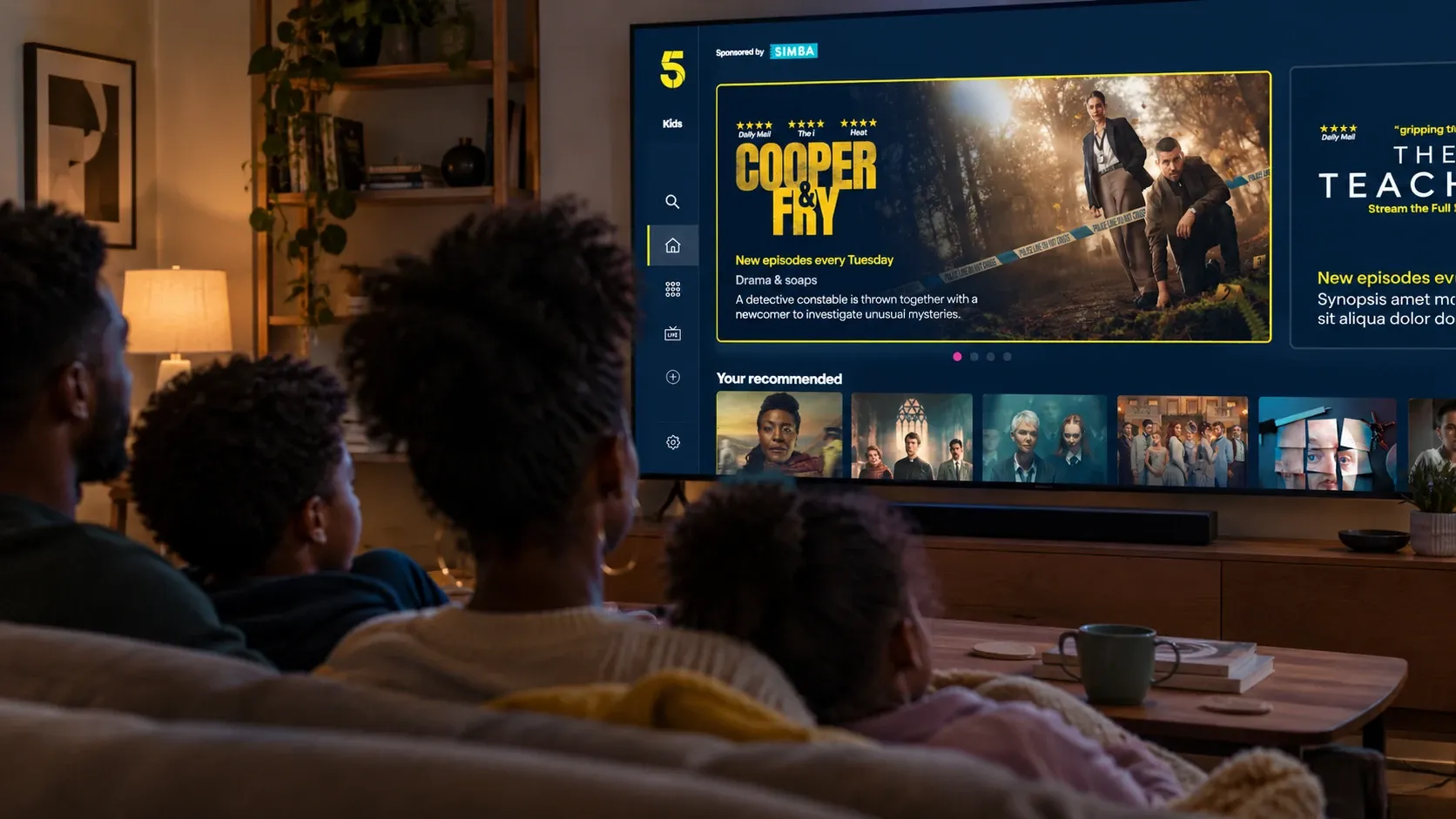
This relationship success is based on true close collaboration with UIC Digital’s product designers and developers who work as an extension of the Channel 5 team. Continuously delivering within tight deadlines, their ability to work at speed is matched with high quality delivery.Ashley Fletcher, Senior Director Product, Paramount International
What you are left with.
Documentation usually loses to the deadline. Here the build produces it along the way.
Product memory
- Requirements register
- Decision history and assumptions
- Requirement-to-story traceability
- Product context an AI can query
Ownership & portability
- Structured documentation
- Why it was built this way
- Onboarding and handover support
- A route to running it yourselves
Maintainability
- Tested, documented codebase
- Implementation specs
- QA and release evidence
- Reusable engineering patterns
It starts with two days.
Enough to know what to build first, and what it will cost.